
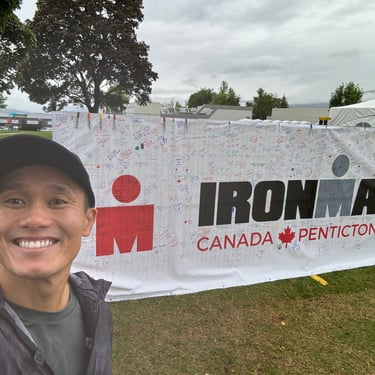
This was my first Ironman in almost seven years, and I went in with an ambitious sub-10-hour goal — ideally a podium finish in my age group, which likely meant a flawless 9:30. Today wasn't that day.
Ironman results to date
- Ironman Canada 2013 — 11:03:24, 382/993 OA
- Ironman Canada 2017 — 11:05:51, 119/1,404 OA
- Ironman Korea 2019 — cancelled due to weather
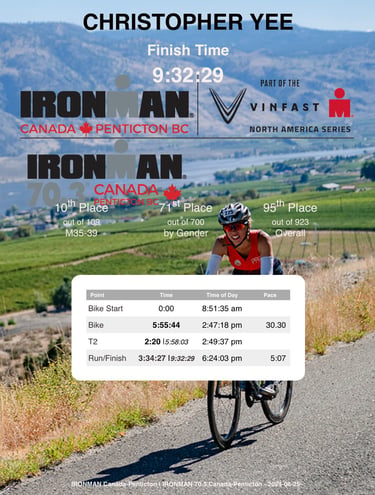
- Ironman Penticton 2024 — 9:32:29 (swim cancelled), 95/1,029 OA, 10/109 AG
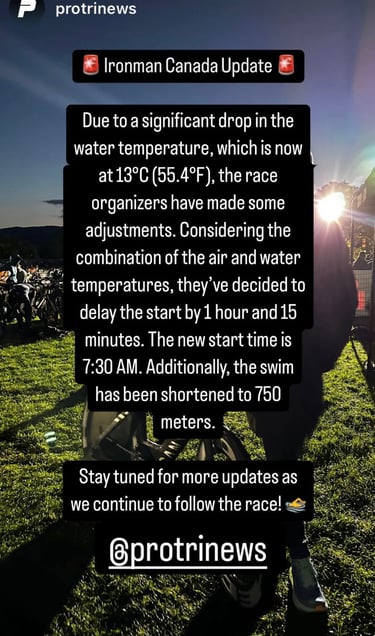
This was also the final year Ironman ran Penticton after thirty years before moving to Ottawa.
Sleep and nutrition
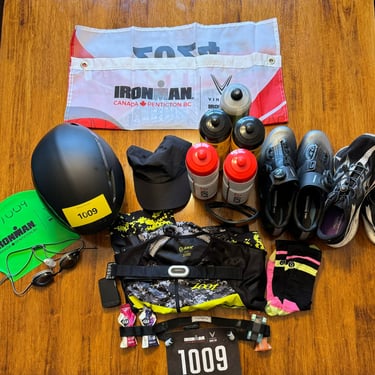
I slept terribly the week before — 3–4 hours a night, likely nerves. Melatonin didn't help. On race morning, oatmeal with banana, milk, maple syrup, and coffee, plus pre-mixed Gatorade and Precision Hydration. I misjudged the heat and over-concentrated my bottles with maltodextrin and salt, then layered gels on the bike — over 100g of carbs an hour without enough water to match. I felt nauseated for close to an hour and could barely take anything in until the 140km mark.
Lesson: focus on calming the mind. Without real sleep, the body can't perform at capacity.
The race
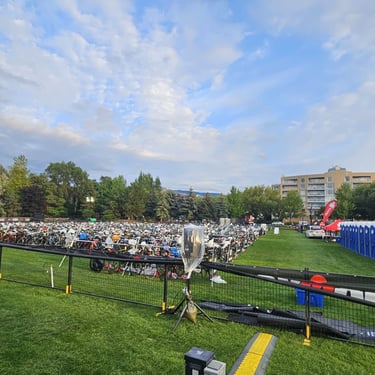
Swim — cancelled for safety after the water temperature dropped from 21.6°C to 13°C overnight. Disappointing, especially for first-time Ironman athletes who'd trained a year for the full distance — I could empathize, having had Ironman Korea cancelled by a typhoon in 2019.
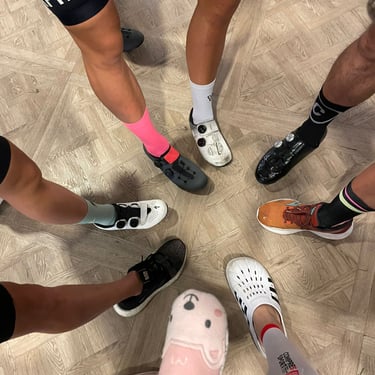
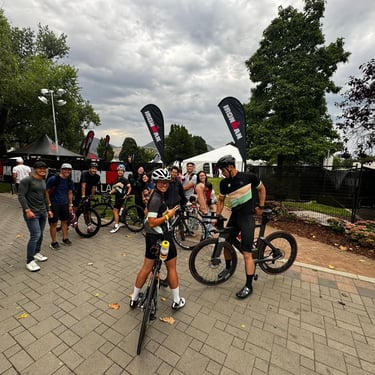
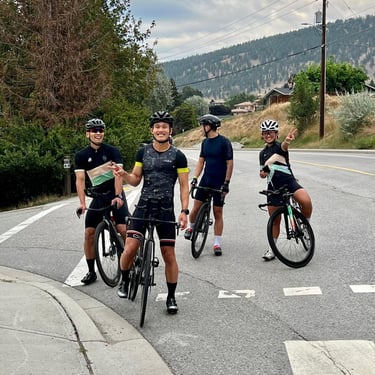
Bike — effectively a 180km time trial into a marathon. I pushed 220+ normalized watts against a planned 195 for the first 50km and my heart rate never settled under 150bpm until past 75km in — the plan went out the window early and I paid for it later.
Lesson: stick to the game plan. Overexerting early burned matches I needed for the back half.
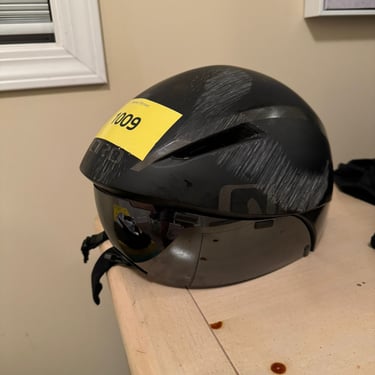
I also hadn't trained specifically for the aero position against headwinds, which recruits different muscles than riding upright — my glutes and hamstrings were on fire by halfway and I could no longer pedal efficiently.
Lesson: train specifically for the course you're racing. Study the conditions and adapt accordingly.
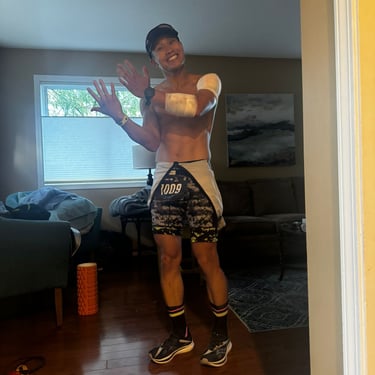
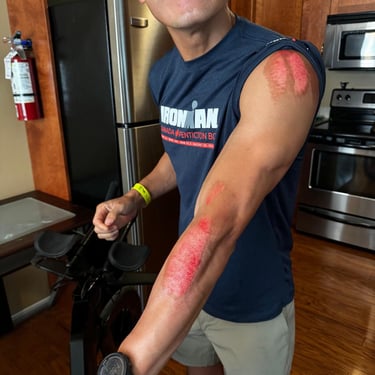
At around 140km I clumsily clipped my handlebars disposing of a bottle at 40km/h, flew over the bars, and landed on my head. No broken bones, but road rash, a black eye, bloody knuckles, a bruised wrist, and a torn suit. My bike was somehow untouched. I got back on and kept moving. At 160km I flatted, burned both CO2 canisters (the first was a dud) to fix it, then flatted again at 171km with a slow leak likely from the crash — I nursed it in as safely as I could.
Lesson: pay attention and stay focused. One clumsy mistake can cost far more than time. Always wear a helmet — this is the only crash where my head hit the ground, and the helmet did its job.
Run — the adrenaline wore off in transition and the pain set in. The first 5km climbed steadily and I slowed to a trudge more than once, breaking it into small, achievable milestones to keep moving — telling myself I could reassess after the turnaround, knowing full well I wouldn't quit on a downhill stretch home. Seeing my friend Lucy near the turnaround gave me a lift.
Lesson: just take one more step. There's a point in every race where you want to quit — keep putting one foot in front of the other and you'll get there.
I found a rhythm on the second half, bumping into training partners along the two-loop course, treating each aid station like a liquid buffet — coke, electrolytes, ice water over open wounds that stung every time. I crossed the line in a daze, elated to have gotten through it, then headed straight to the medical tent, which looked like a war zone — IV drips, foil blankets, athletes of every age and background who'd all chosen this.
Lesson: "anything is possible" is Ironman's motto. Put your mind to something and chip away — determination makes the seemingly impossible possible.
Lesson: learn to be resilient. Not everything in training, racing, or life goes smoothly. Roll with it and bounce back stronger — the only way I'm getting a DNF on my record is being carried off on a stretcher.
Team
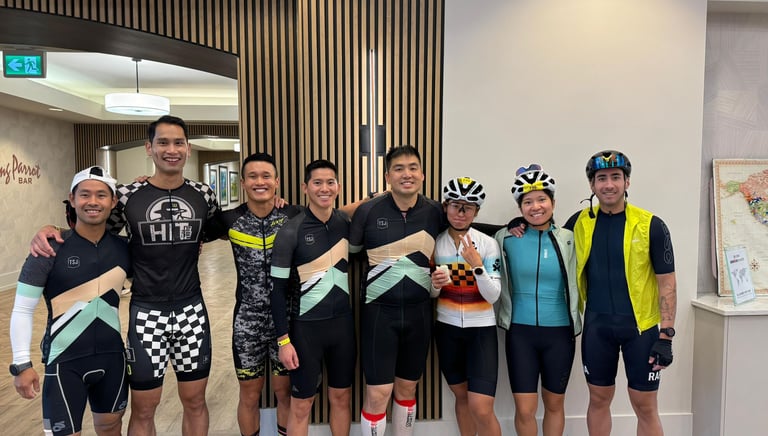
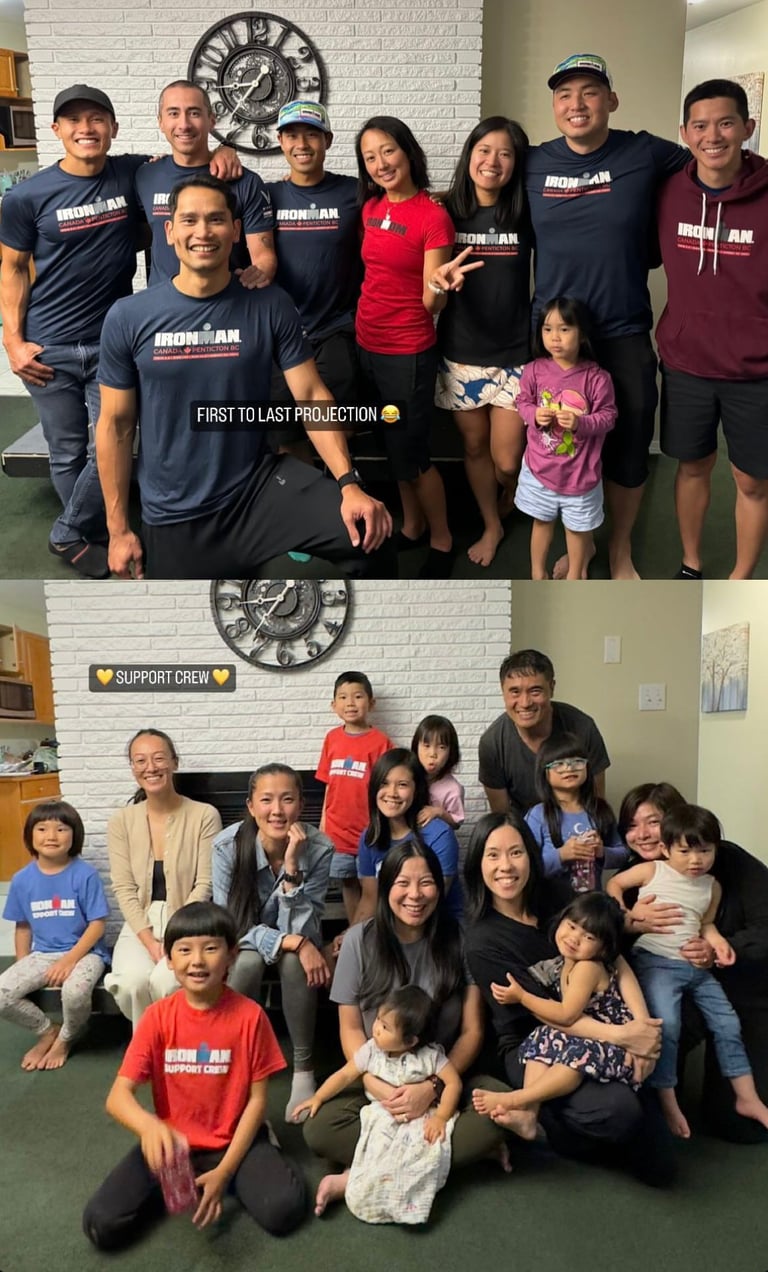
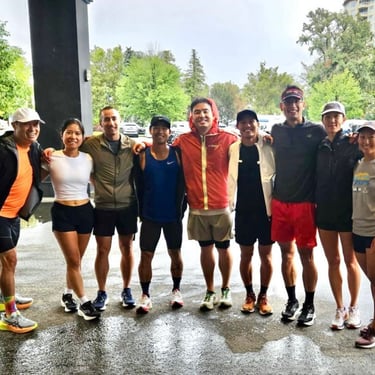
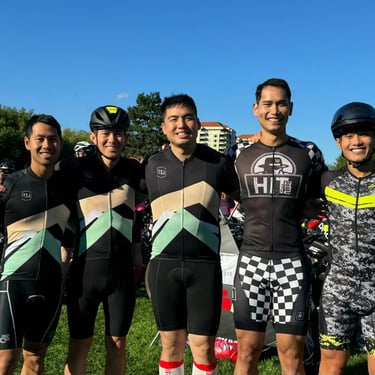
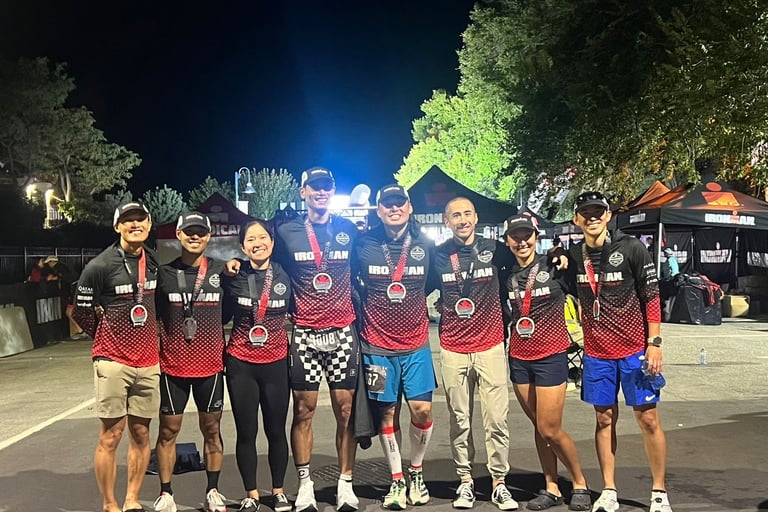
Huge thanks to my training group — congrats to Thomas, Dan, Marco, Tae, and Nat on their first Ironman, and to Lucy and Corbin on their second (Lucy also qualified for Kona 2025!). Thanks to Arnold and Tina for chasing us around the course, and to all the volunteers and the Ironman team.
What's next: six weeks to train for my final race of the year — Portland Marathon, October 6, goal sub-2:45 — then five months through South America and Southeast Asia.
---